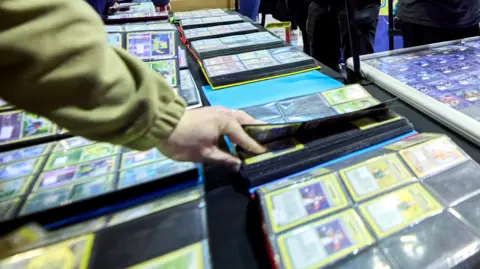
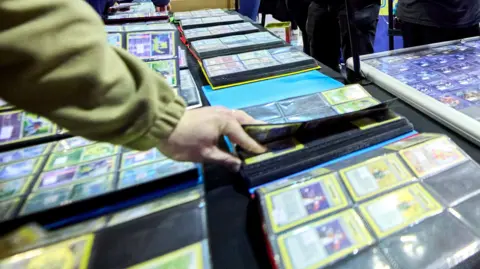
The rising interest in the “sports card trade show” reflects a strong and expanding global collectibles market. These events have become structured environments where collectors, dealers, and hobby enthusiasts come together to buy, sell, and trade sports cards and memorabilia. Statistical trends show consistent growth in both attendance and frequency of these events, making them a key pillar of the modern collectibles economy.
From an industry perspective, sports card trade shows function as organized marketplaces. They typically feature rows of vendor tables displaying items ranging from vintage cards and graded collectibles to modern rookie releases and sealed products. Larger shows can host hundreds of dealers and thousands of attendees, creating a high-activity environment centered around trading and discovery.
A frequently asked question is what actually happens at a sports card trade show. In simple terms, these events allow participants to engage in direct buying, selling, and trading. Vendors display their inventory while collectors move between tables to evaluate items, negotiate prices, and complete transactions in real time. This face-to-face structure adds transparency and builds trust in the collecting process.
Another commonly asked question is why collectors prefer trade shows over online platforms. Data-driven behavior suggests that in-person inspection is a major advantage. Collectors can physically examine card condition, including centering, edges, surface quality, and authenticity. This reduces uncertainty and increases confidence, especially when dealing with high-value or rare collectibles.
A key statistical trend is the increasing diversity of participants. Sports card trade shows now attract experienced investors, casual hobbyists, families, and younger collectors. This broader demographic participation has helped stabilize and expand the market, ensuring consistent demand across multiple collectible categories.
Another frequently raised question is what types of items are typically available at these shows. Sports cards remain the primary focus, especially baseball, basketball, football, and hockey. However, modern trade shows also include graded slabs, autograph memorabilia, sealed hobby boxes, and trading card games. This diversification reflects evolving collector interests and strengthens overall event engagement.
From a pricing perspective, sports card trade shows operate as flexible marketplaces. Unlike fixed online listings, prices are often determined through negotiation between buyers and sellers. Market observations show that dealers typically purchase inventory with resale in mind, leading to dynamic pricing based on condition, demand, and liquidity. This creates opportunities for both buyers and sellers to reach mutually beneficial agreements.
Another important question involves how often these shows occur. Sports card trade shows are now held on weekly, monthly, and seasonal schedules depending on region and event size. Smaller community shows are more frequent, while larger conventions are organized as major annual or multi-day events that attract national attention.
Accessibility also plays a major role in their popularity. Most trade shows are hosted in convention centers, hotels, sports arenas, and community halls. Entry fees are generally affordable, making them accessible to a wide audience. This inclusivity helps strengthen local collecting communities and encourages repeat participation.
Another frequently asked question is what the overall experience looks like for attendees. Most events are structured with clearly organized vendor sections, trading zones, and sometimes live appraisal or grading submission services. Larger shows may also include autograph sessions, special guest appearances, and early access hours for serious collectors.
Networking is one of the most valuable aspects of sports card trade shows. Collectors often form long-term relationships with vendors and other hobbyists, leading to better trade opportunities and access to rare or high-demand items. These connections also help participants stay informed about market trends and collectible values.
In conclusion, the sports card trade show ecosystem represents a growing and highly active segment of the collectibles industry. These events combine real-time trading, in-person evaluation, and strong community interaction into a single structured experience. With rising attendance, diversified inventory, and expanding participation, sports card trade shows continue to play a central role in shaping the modern collector market.